

Which Japanese Knives to Own & How to Care for Them
Japanese kitchen knives have earned their place in home kitchens quietly, through performance rather than hype. Exceptionally sharp and beautifully balanced, they bring a sense of ease and intention to everyday cooking. Even for beginners, the difference is immediate: cleaner cuts, better control, and ingredients that retain their shape, texture, and beauty.
In this guide, we’ll explore the essential Japanese knife styles for vegetables, meat, and fish, along with simple, thoughtful ways to care for them at home.
What Makes Japanese Knives So Special
Japanese knives are defined by hard steel, enduring sharpness, and a refined cutting experience that feels almost effortless. Each blade is designed with a specific purpose in mind, allowing prep to feel fluid rather than forceful. When the knife is right for the task, cooking becomes quieter, more precise—and far more enjoyable.
What sets them apart:
- Exceptional balance and control
- Clean, precise cuts
- Sharp edges that maintain their integrity over time
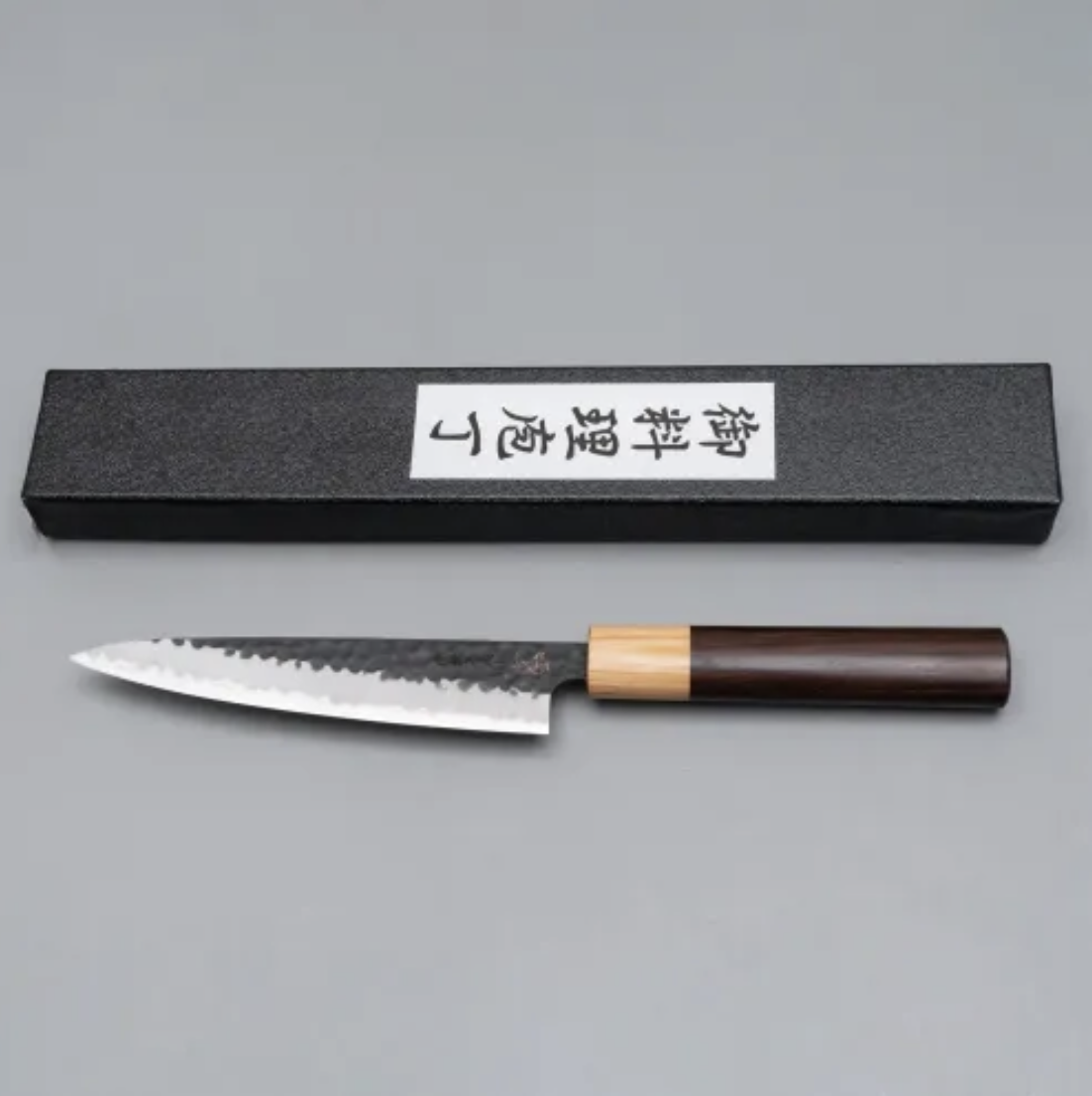
These knives stand out first and foremost because of the steel. Thin, finely balanced, and meticulously crafted, they deliver a cutting experience that feels both controlled and effortless. The blades move cleanly through ingredients, producing precise cuts with minimal resistance. It’s the kind of difference you notice immediately—subtle, but unmistakable—once the knife is in your hand.
Essential Japanese Knives for Everyday Cooking
When shopping for Japanese knives, you’ll often encounter names like Santoku, Gyuto, Nakiri, Bunka, and Petty. Each is designed with a specific purpose in mind, yet a small, thoughtfully chosen selection can handle nearly everything a home kitchen requires.
- Santoku or Gyuto: The everyday mainstay—equally at home with vegetables, meat, and fish
- Nakiri: A vegetable specialist, prized for its straight edge and clean, even cuts
- Bunka: A versatile all-rounder with a pointed tip designed for precision
- Petty: Ideal for peeling, trimming, and other fine tasks
- Specialty knives (Deba, Yanagiba): Best reserved for fish breakdown and refined slicing
For most home cooks, one medium-sized knife paired with a smaller blade is enough to handle daily cooking with ease.
How to Care for Japanese Knives at Home
A sharp knife is safer, more enjoyable to use, and better for your ingredients. With a handful of simple tools and good habits, your knives can remain in beautiful working order for years. Here are the knife sharpening tools you can use to care for your sharp Japanese knives.
- Whetstone (1000/3000 grit) for regular sharpening
- Ceramic sharpening rod for weekly edge maintenance
- Flattening stone and strop for keeping stones and edges in top condition
Daily habits matter:
- Avoid dishwashers, hard foods like bones, and loose drawer storage
- Wash knives by hand and dry immediately
- Store them in a block, on a magnetic strip, or with blade guards
- Use wooden or plastic cutting boards—never glass
What Makes a Great Knife Set
A well-considered knife collection doesn’t need to be expansive. The focus should be on quality, balance, and comfort—knives you reach for daily and enjoy using.
Look for:
- A versatile main knife, such as a Santoku or Gyuto
- A dedicated vegetable knife, like a Nakiri
- A smaller blade for detail work
- High-quality steel; Damascus steel offers both durability and visual depth
- Comfortable handles and edges that are easy to maintain
I
Japanese knives bring precision, ease, and quiet beauty into the kitchen. Whether you reach for a Santoku every day or lean on a Gyuto for bigger tasks, the right knife changes how cooking feels. Start with the essentials, care for them simply, and you’ll find they become trusted companions—tools you return to again and again.