Elevate your kitchen with these Japanese knives that blend culture & function
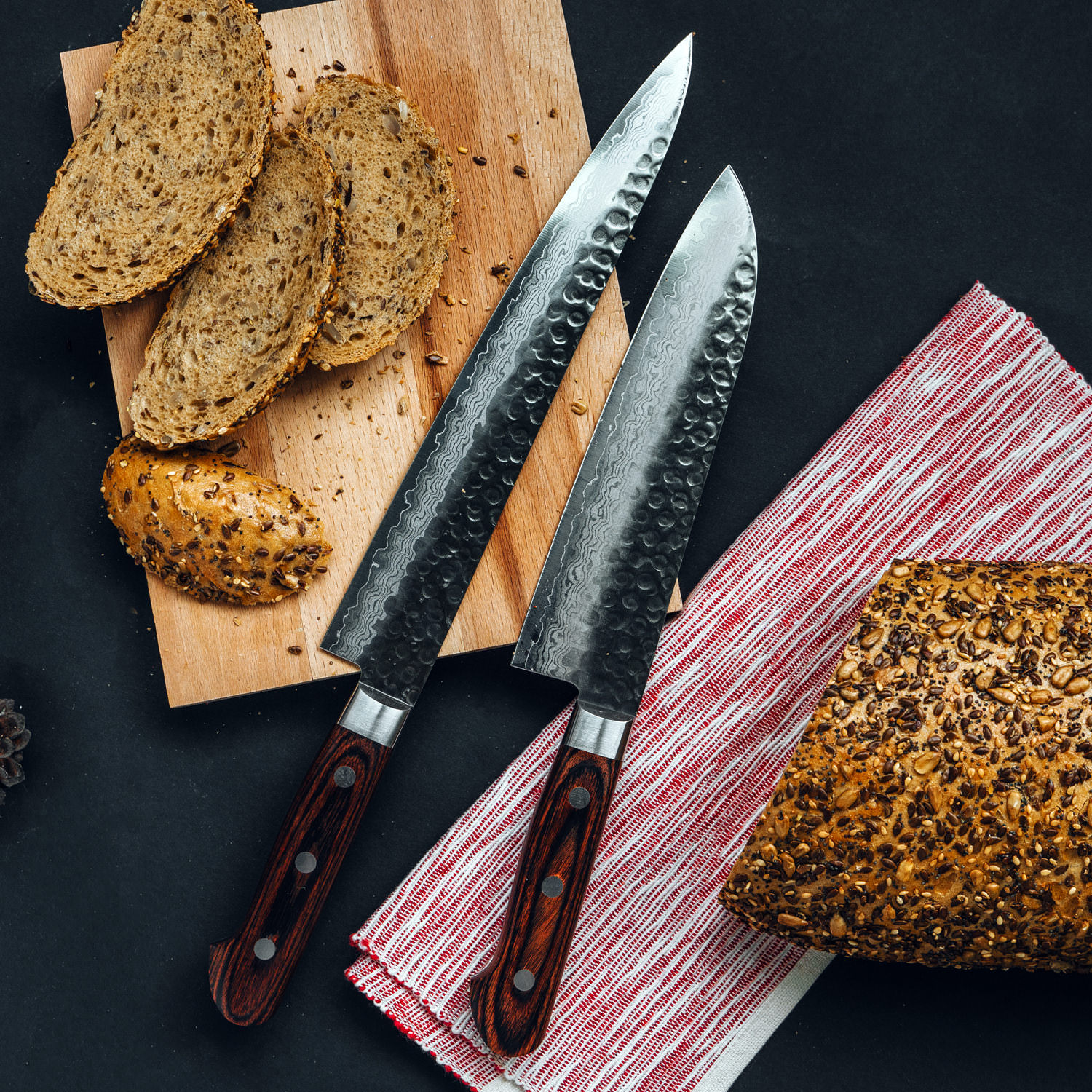
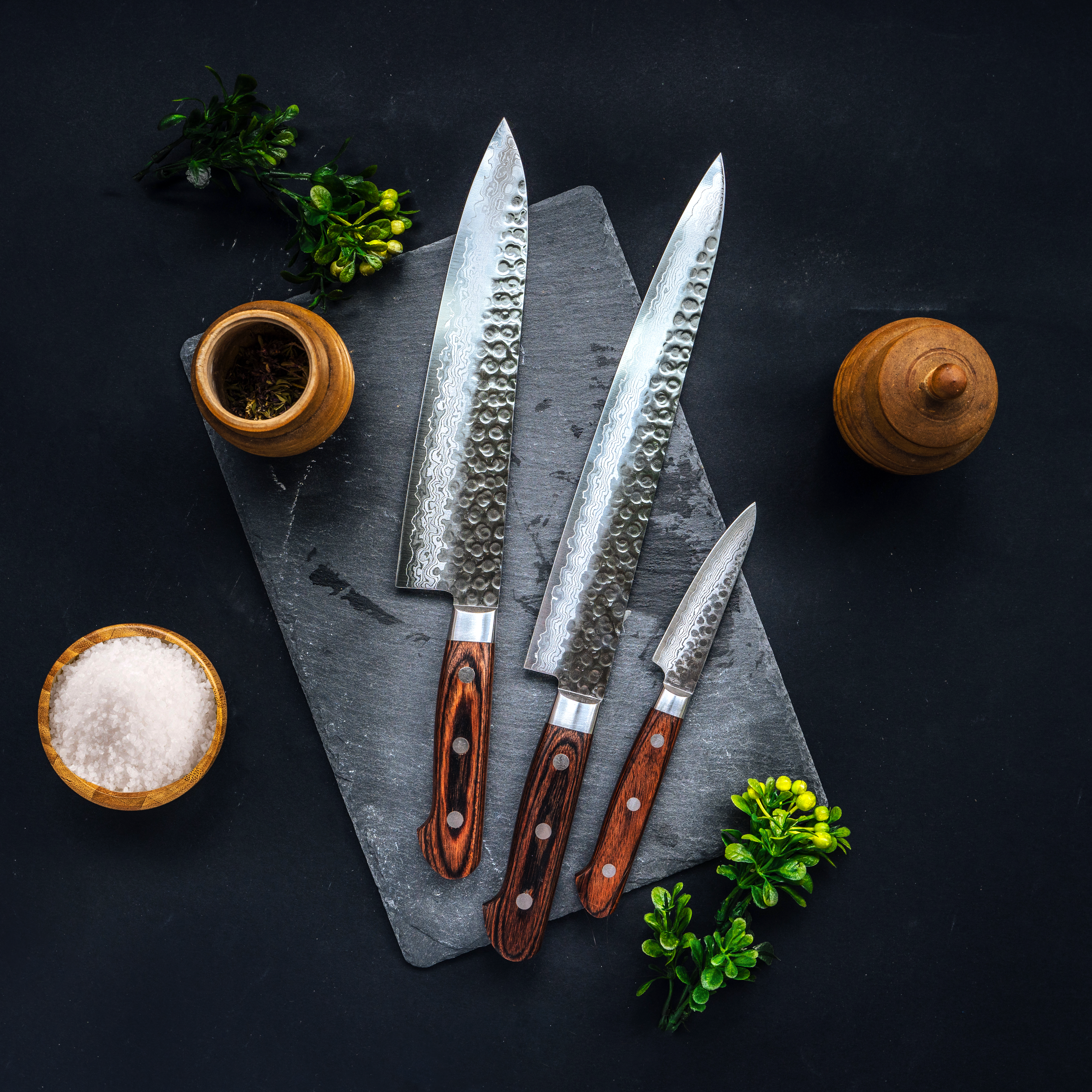
If you’re a cook who appreciates Japanese knives—not just how they cut, but how they’re made—Kazoku is a name worth knowing. Their blades strike that rare balance between tradition and everyday usability: deeply rooted in Japanese craftsmanship, but designed for real kitchens, not glass cases.
The story of Kazoku doesn’t start in a boardroom or with a branding exercise. It starts in 1980, inside a family business where knives weren’t just sold—they were sharpened, repaired, and brought back to life.
For founder Rene Djuricek, cutlery wasn’t a career choice so much as a childhood atmosphere. From an early age, days were shaped by steel, skill, and the quiet respect that comes from working with tools that matter.
This lifelong immersion is what gives Kazoku its foundation. These knives are made with the understanding that a blade isn’t disposable—it’s something you live with, cook with, and pass down. And that philosophy is at the heart of everything Kazoku creates.
What does Kazoku mean?
Kazoku means “family” in Japanese, and the name perfectly fits because the brand originated from a family sharpening shop. The company transitioned from selling sharpening blades for customers to crafting their own premium Japanese kitchen knives. They operate as a family-owned business that cuts out middlemen and distributors to offer high-quality products at affordable prices.
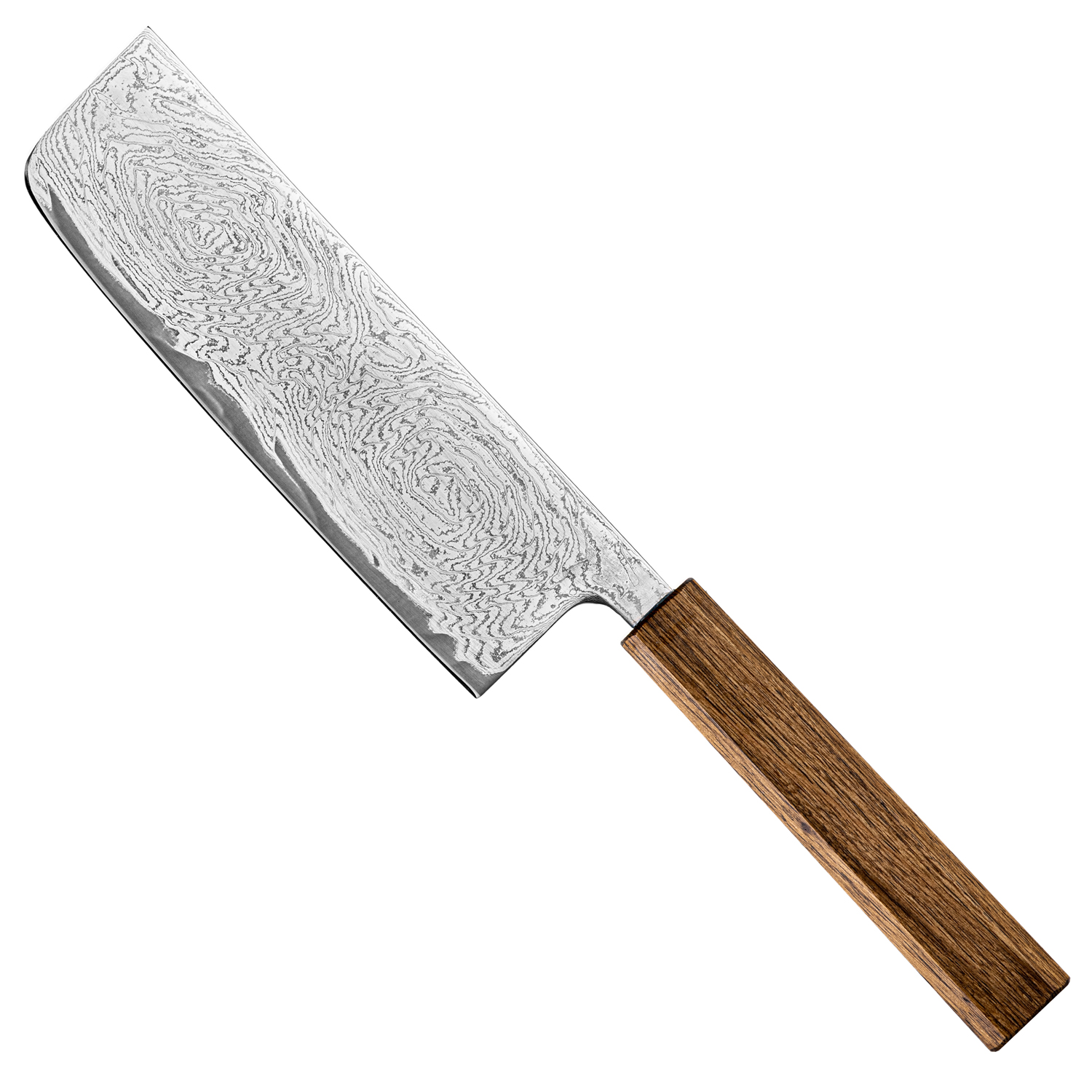
These knives stand out because of the steel. They are known for their thinness and their balance. They cut cleaner and feel more precise because of how they are made. When you use one, you notice the difference right away.
How was the brand created?
Rene grew up surrounded by his family at work, watching dull, tired blades transformed into tools that cut with precision and grace. Early on, he realized a knife is more than metal and a handle—it’s an extension of the hand, a partner in the kitchen, quietly present at family dinners, Sunday lunches, and holiday feasts.
Over the years, he absorbed knowledge simply by being there. He learned to read the steel, noticing why some edges held their sharpness while others faltered. He began to understand the subtle importance of geometry and balance. But what stuck with him most was this: a knife’s value isn’t measured in hardness or price, but in honest, thoughtful craftsmanship.
It was in that realization that Kazoku began to take shape. What started as sharpening and selling blades within a family workshop evolved into a full-fledged, family-owned business. Today, with offerings like the Over the years, he absorbed knowledge simply by existing in that environment. He learned to read the steel and understood why some edges held their sharpness while others faltered. Rene started to grasp the importance of geometry and balance. But more importantly, he learned what makes a knife truly good. It is not just about the hardness of the metal or the price tag on the box. It is about honest craftsmanship. That was the moment Kazoku started to take shape. From selling sharp blades to becoming a full family-owned business offering major finishes like the Kurashikku knives, Kazoku has now become a reputable name.
The Japanese Influence on Kazoku’s Knife-Making Process
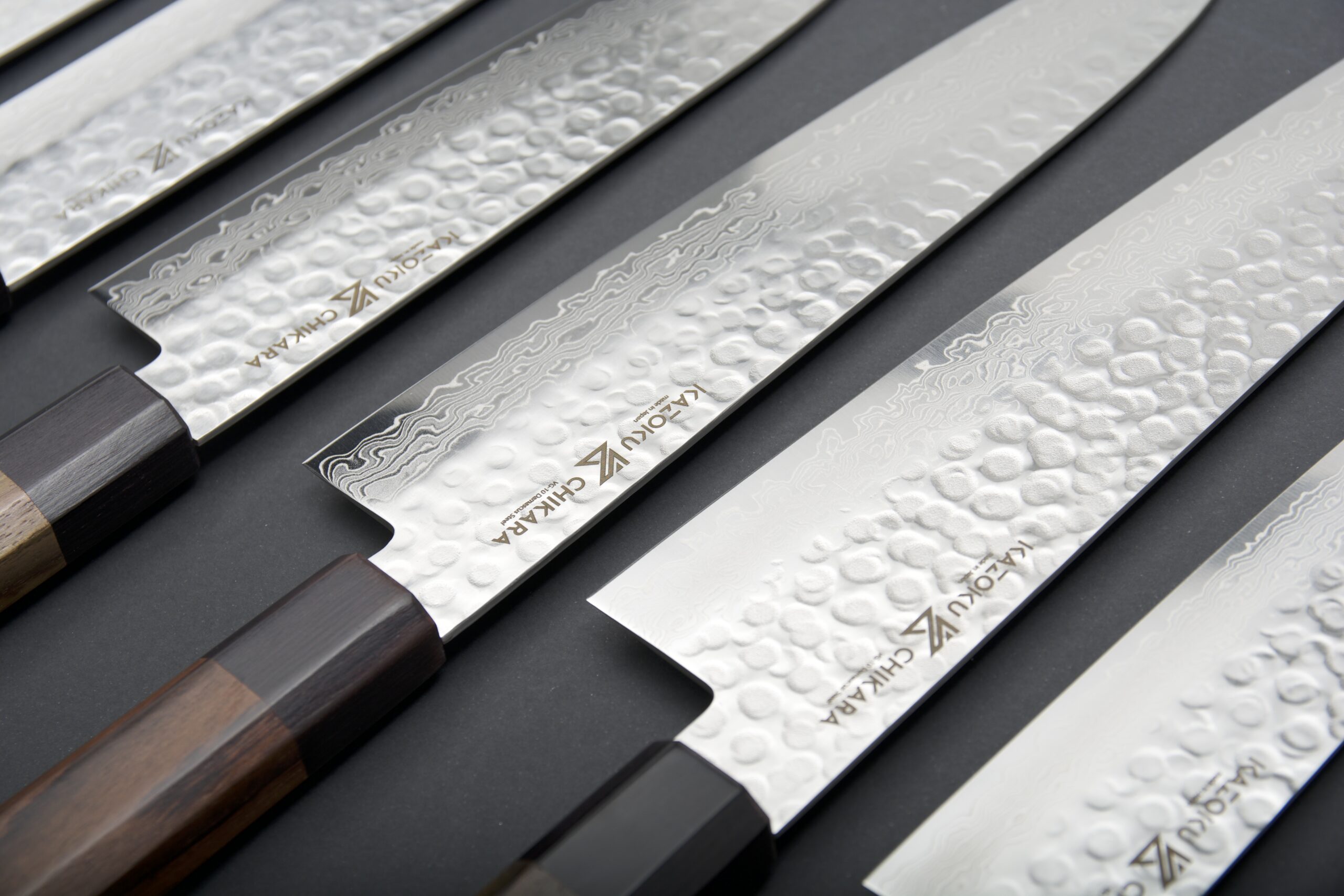
Kazoku may have started in a family workshop, but its heart was shaped in Japan. Rene has long been fascinated by the way Japanese craftsmen treat their tools—with care, patience, and respect—a mindset that feels increasingly rare in today’s fast-paced world. That fascination led him to travel through Japan’s knife-making regions, most notably Sanjo in Niigata Prefecture and Sakai near Osaka, where metalworking isn’t a trade, it’s a lineage.
Sanjo, in particular, left a lasting impression. Winters there are long and heavy with snow, drifts stacking against workshop walls, but inside, fires burn and work continues with quiet intensity. Rene watched craftsmen at every stage, fathers teaching sons, masters guiding apprentices, each movement deliberate and precise. It was nothing like the mass-produced knives that flood Western kitchens—here, every action carried purpose, history, and care.
One moment stood out above all. In a tiny workshop, Rene watched an elderly blacksmith hand-form a blade, moving it between fire and anvil with a cadence that felt almost musical. He didn’t rush, didn’t check the clock—he was fully present, honoring both the teachers who had come before him and the person who would eventually use the knife. Watching him, Rene realized a blade isn’t just a tool; it’s a piece of craft infused with attention, patience, and respect.
That experience crystallized Rene’s vision for Kazoku: to bring this level of care and craft into kitchens beyond Japan. The goal was simple but ambitious—connect the meticulous, soulful traditions of small Japanese workshops to home cooks in the West, creating knives that are as beautiful as they are purposeful.
True Japanese Authenticity in Every Blade
Kazuku does not just sell forged steel. They strive to build a tradition of crafting every Japanese knife with authenticity and heart.
In Rene’s family, the kitchen was the heart of the home. It was where people gathered to talk and laugh, and share lives. And the tools they used to prepare that food were a part of that ritual.
This is a story of an authentic brand inspired by steel, forged in fire, and tempered by a love for the craft. It is a story that continues with every meal you prepare.